DAILY ROUTINES
A conversation about your medicines.
Meet the medication helper for conversations about medicines and everyday life.
CARE, WITH A HUMAN CONNECTION
IntuneLabs builds voice AI that talks with people, Care for organizing team work, and the Console and Voice Engine that connect them. Together they form an office suite for everyday support and the organizations providing it.
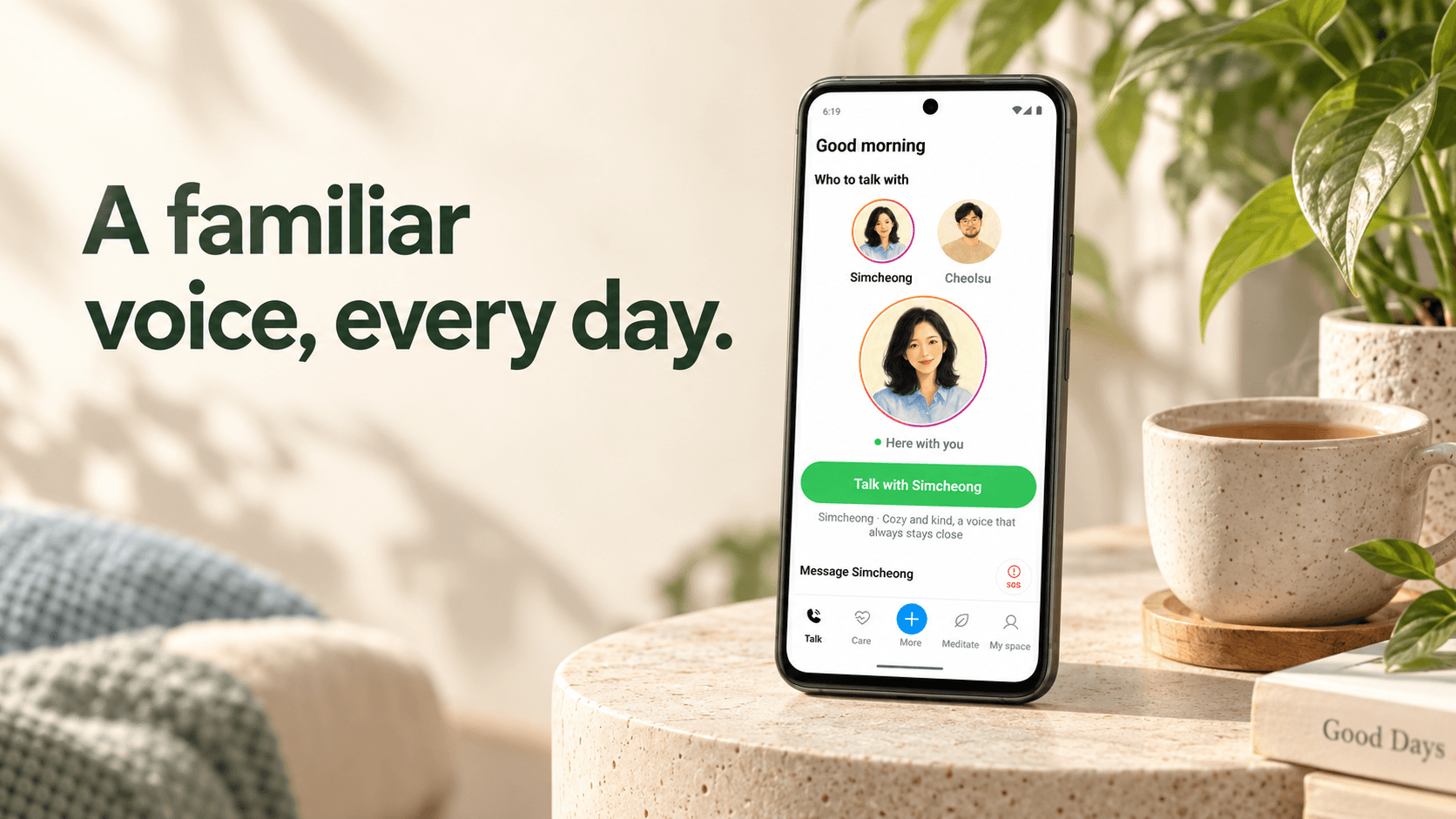
01 / SIMCHEONG · AN APP FOR EVERYDAY SUPPORT
A conversation. A moment to check in. A little room to breathe. Simcheong is a voice companion for the small moments that make up a day.
Explore Simcheong
02 / CARE · YOUR CARE TEAM’S WORKSPACE
Behind every moment of care is a team making it happen. Care gives that team a place to see the day's work.
INTUNELABS CARE
Members, calls, schedules, and reports. Find the next task in your team's Care workspace.
Explore Care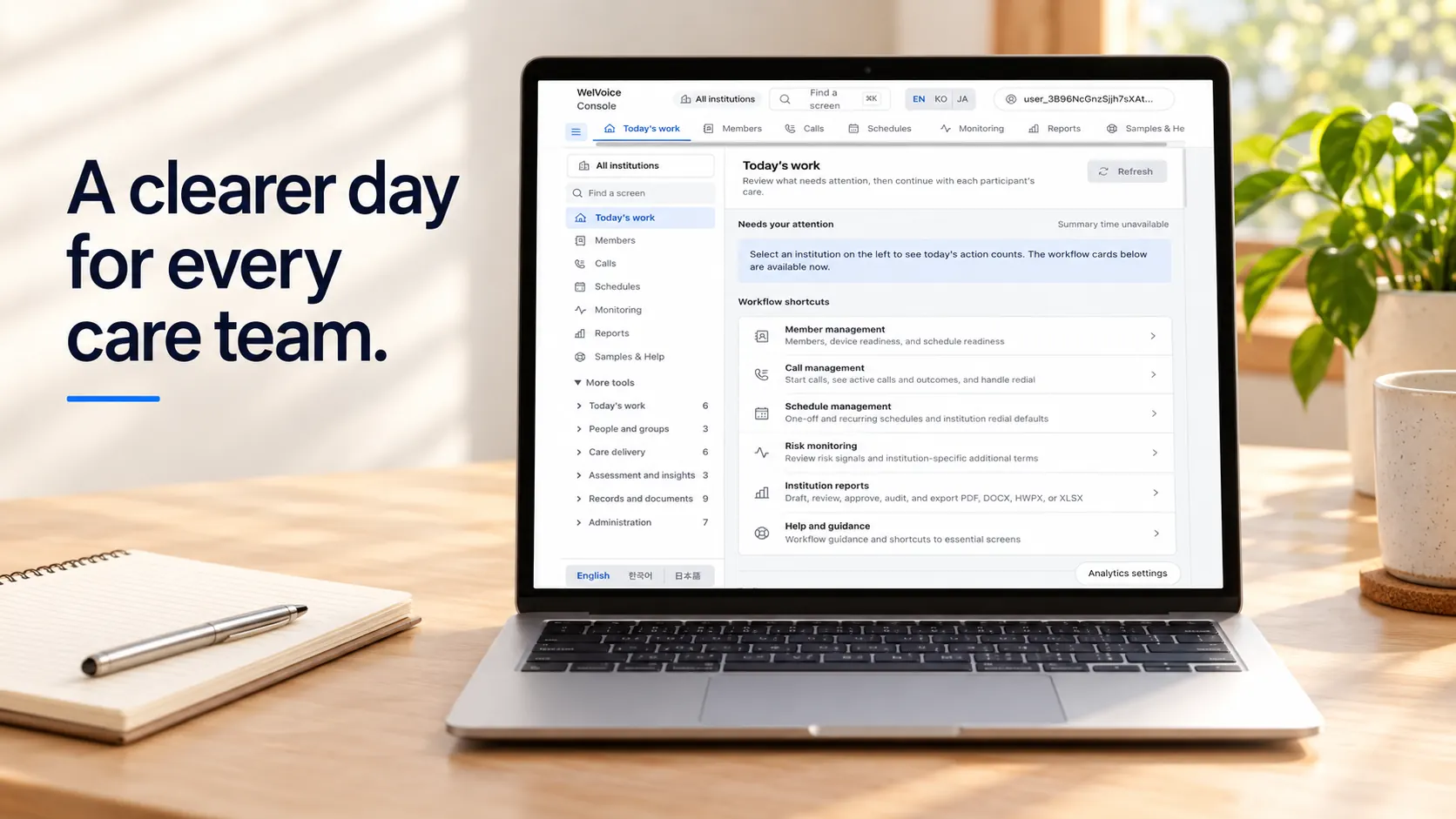
INTUNELABS · AI WITH A HUMAN CONNECTION
03 / ONE PRODUCT FAMILY
From Simcheong's everyday conversations to Care operations, Console, and the Voice Engine, IntuneLabs connects people and teams through one office suite.
Voice experiences for check-ins, medicines, moods, and breathing
Simcheong Explore02Bring members, calls, schedules, and reports into one working rhythm
Care Explore03Choose a voice, shape the conversation, and tune the agent
Console Explore04 / THE EVERYDAY MOMENTS
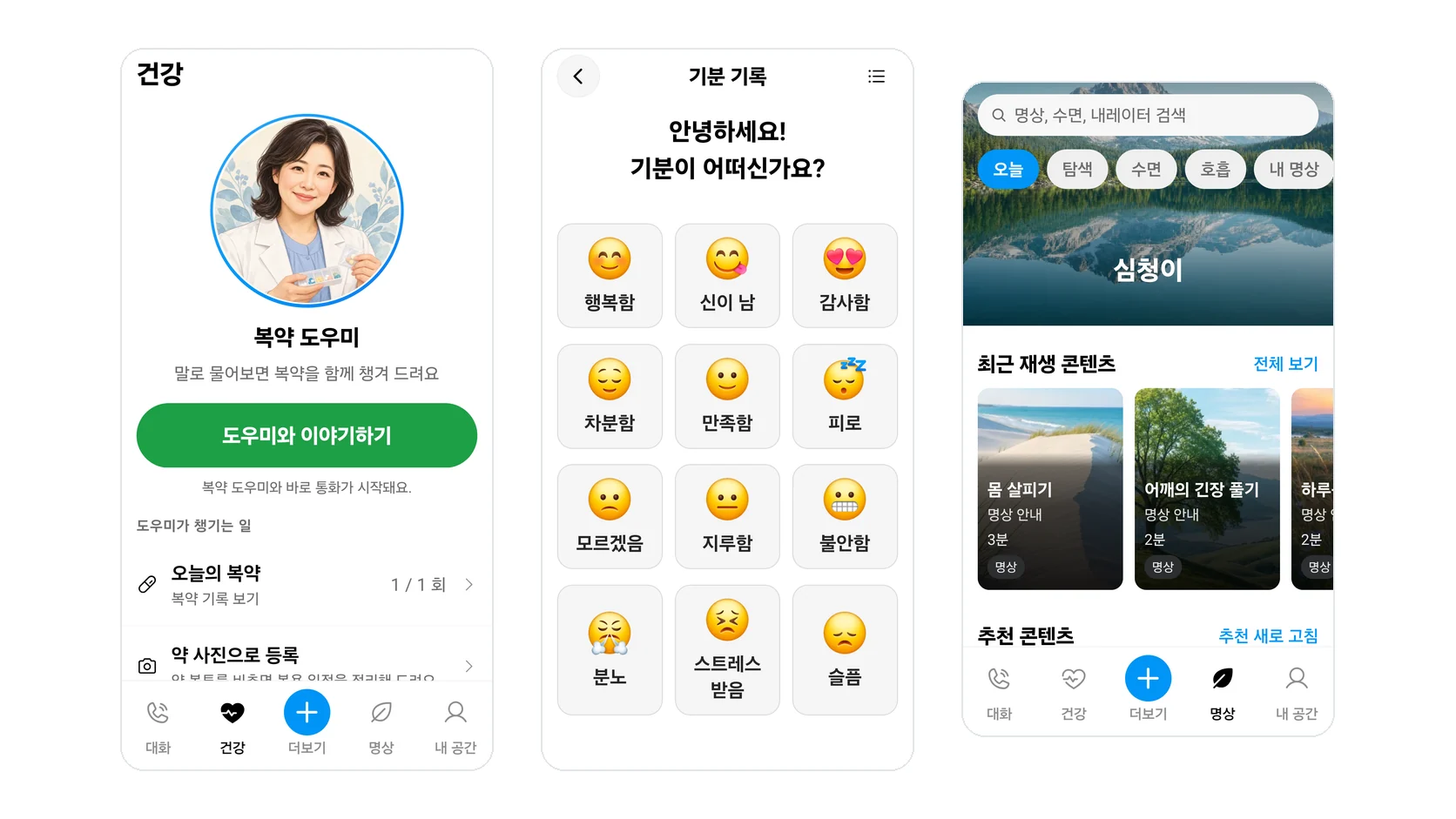
DAILY ROUTINES
Meet the medication helper for conversations about medicines and everyday life.
A MOMENT TO REFLECT
A small question. A little space to check in with yourself.
ROOM TO BREATHE
Make a little room for a calmer moment in your day.
Simcheong supports everyday wellbeing and does not replace professional diagnosis or treatment.
05 / THE TECHNOLOGY BEHIND THE CARE
Console is where you choose how your AI sounds, what it helps with, and how it greets people. Prepare conversations that fit your service.

Product illustrations present the intended service experience.
06 / A PLACE TO BEGIN
You do not need to understand every surface at once. Choose the path that matches the people and work you are supporting now.
LET'S START WITH YOUR ORGANIZATION
Tell us who you support and how your team works. Let's explore the right products and a considered starting point.
Request a demoExplore solutions for care teams