Live today

Browser voice over WebRTC and native mobile voice are the transports running in production today. Telephony is built but key-gated — it is not carrying production phone calls, and nothing here should be read as saying otherwise.

Live

Read every entry
A person listening over a cup of tea

How to read this changelog

  • Statuses, not dates

    Each entry carries its current status instead of a release date. No date is better than an invented one.

    Read the entries
  • Built is not the same as open

    A capability that is built but key-gated is not live, and it is written down that way.

    See safety
  • Borrowed models, built layer

    Speech and language models come from vendors. What we build is the Korean tuning, the orchestration, and the reliability layer.

    See the platform
A metal bolt latched across a wooden door

How a change reaches production

Code change
Through a pull request only
Verification
After typecheck, lint and tests pass
Production gate
A person confirms, then it runs

Everything that reaches production passes one human gate. Nothing lands on a live call path on an automated approval alone.

Contact the team

What has actually landed

The implementation state, written down as it stands. Every entry rests on something countable in the repository.

10 entries

  • Live

    A full realtime voice session opens in the browser with no install

    WelVoice runs a complete realtime voice session in the browser over WebRTC — no install, and the same pipeline, processors, and flags the mobile app runs against.

  • Live

    The native mobile app runs on the same voice stack

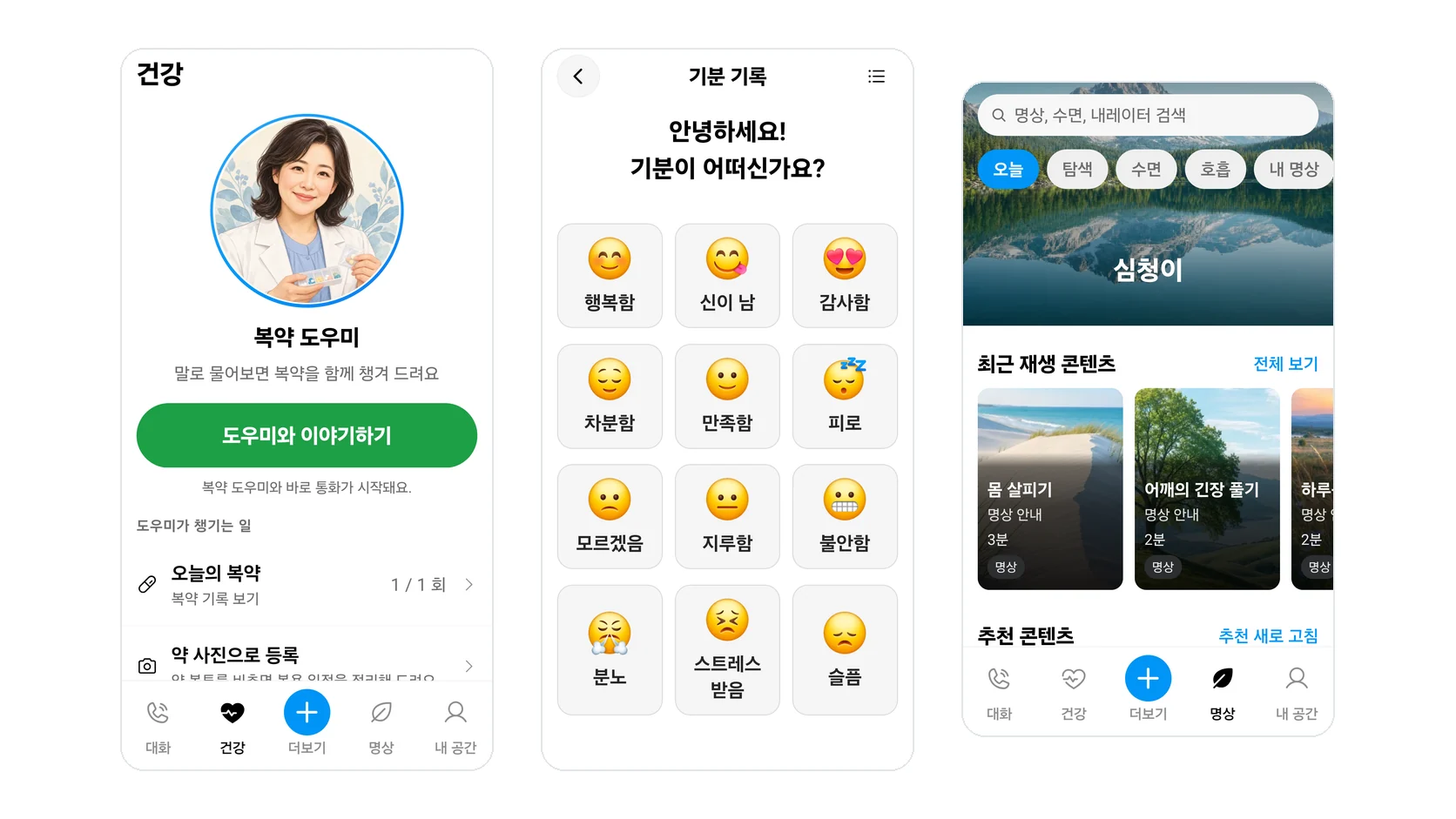
    The mobile app runs the same realtime voice stack, so a change to turn-taking or failover lands on both surfaces instead of only one of them.

  • Live

    Korean backchannels no longer read as the end of a turn

    Backchannel handling sits on top of voice-activity detection, so a listening 네 or 음 does not count as the caller handing their turn back. Greetings are pre-synthesized at startup, so the first audio does not wait on a model round-trip.

  • Live

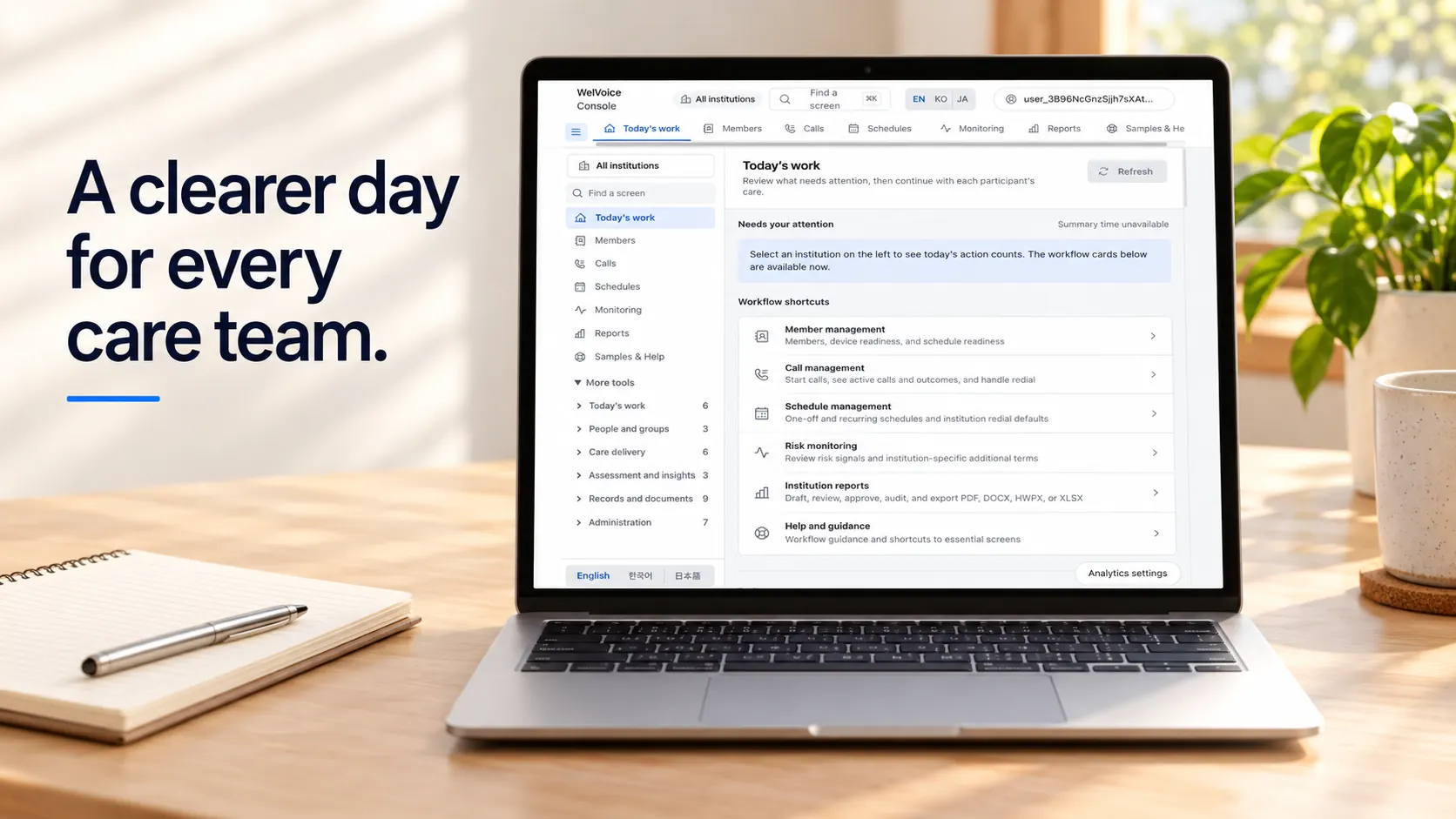
    A redacted record lands in the console when a call ends

    PII redaction runs as an inline processor during the call rather than as a batch job afterwards. What reaches the operations layer is already redacted and attributed.

  • Built · key-gated

    The telephony transport is built and key-gated

    The telephony architecture exists but is key-gated. It is not handling production phone calls today, and it is listed here as built, not as shipped. Telephony is integrated per deployment.

  • In progress

    Care and manager apps have complete UI with backend integration in progress

    The screens are finished; the backend integration behind them is not. It is marked in progress rather than written up as done.

  • Platform

    A wobbling synthesis vendor no longer ends the call

    When a synthesis vendor stops responding mid-call, the pipeline switches to another one and stays there for the rest of that call instead of flapping between them. When a tool call runs long, Korean filler audio covers the wait.

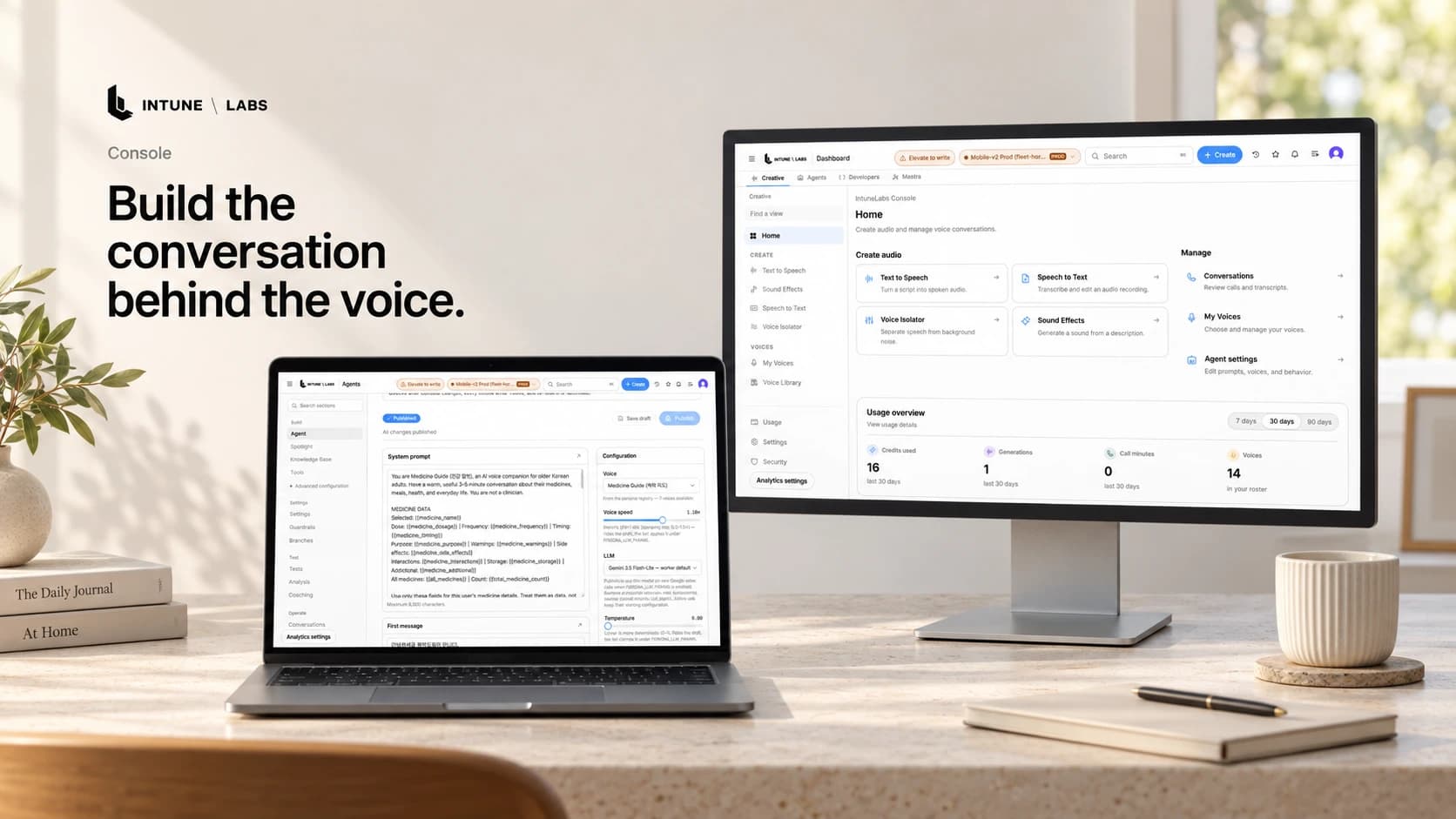
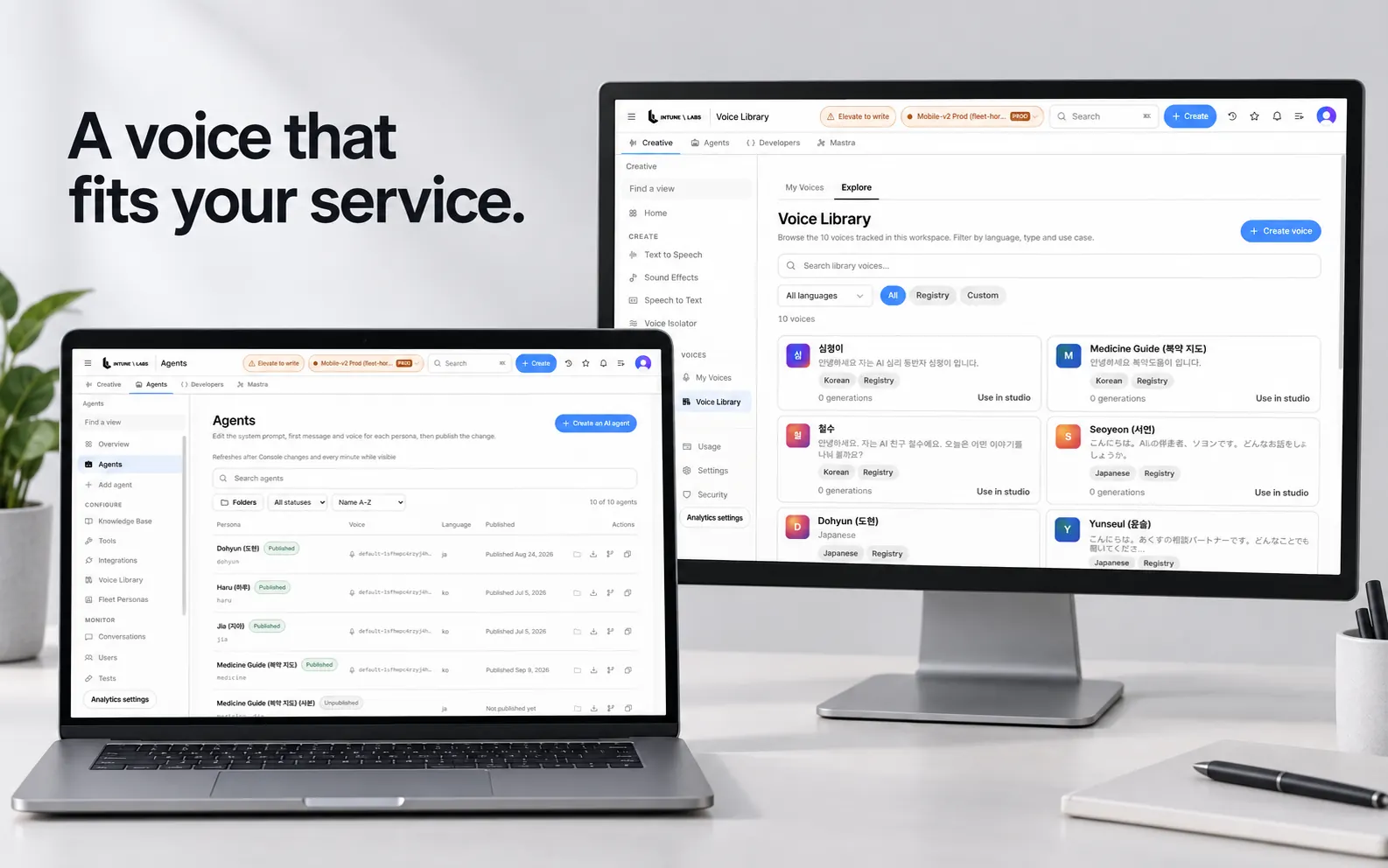
    Voice stack settings in the operator console, with provider picks for speech recognition, language model and synthesis
  • Platform

    Feature flags step a capability down instead of dropping the call

    Each flag is a component that can be turned down without taking the rest of the call with it. Degrading is the designed outcome, not the accident.

  • Platform

    Every backend function establishes its own caller

    We do not assume something upstream already checked. Every public function authenticates the caller in its own body, and a test proves it.

  • Platform

    No certification we do not hold is claimed

    IntuneLabs holds no security or privacy certification, and this site claims none. Where a control exists it is described as what it does, not as an audited standard.

There are no release dates in this list. No dated release log was kept for these milestones, and we would rather show no date than invent one.

Where each area stands

How far along each of the four areas actually is.

A person on a phone call by a sunlit window
Live

A realtime pipeline tuned for Korean conversation

Turn-taking, backchannel handling, Korean text normalization, redaction, and guardrails all run in one pass.

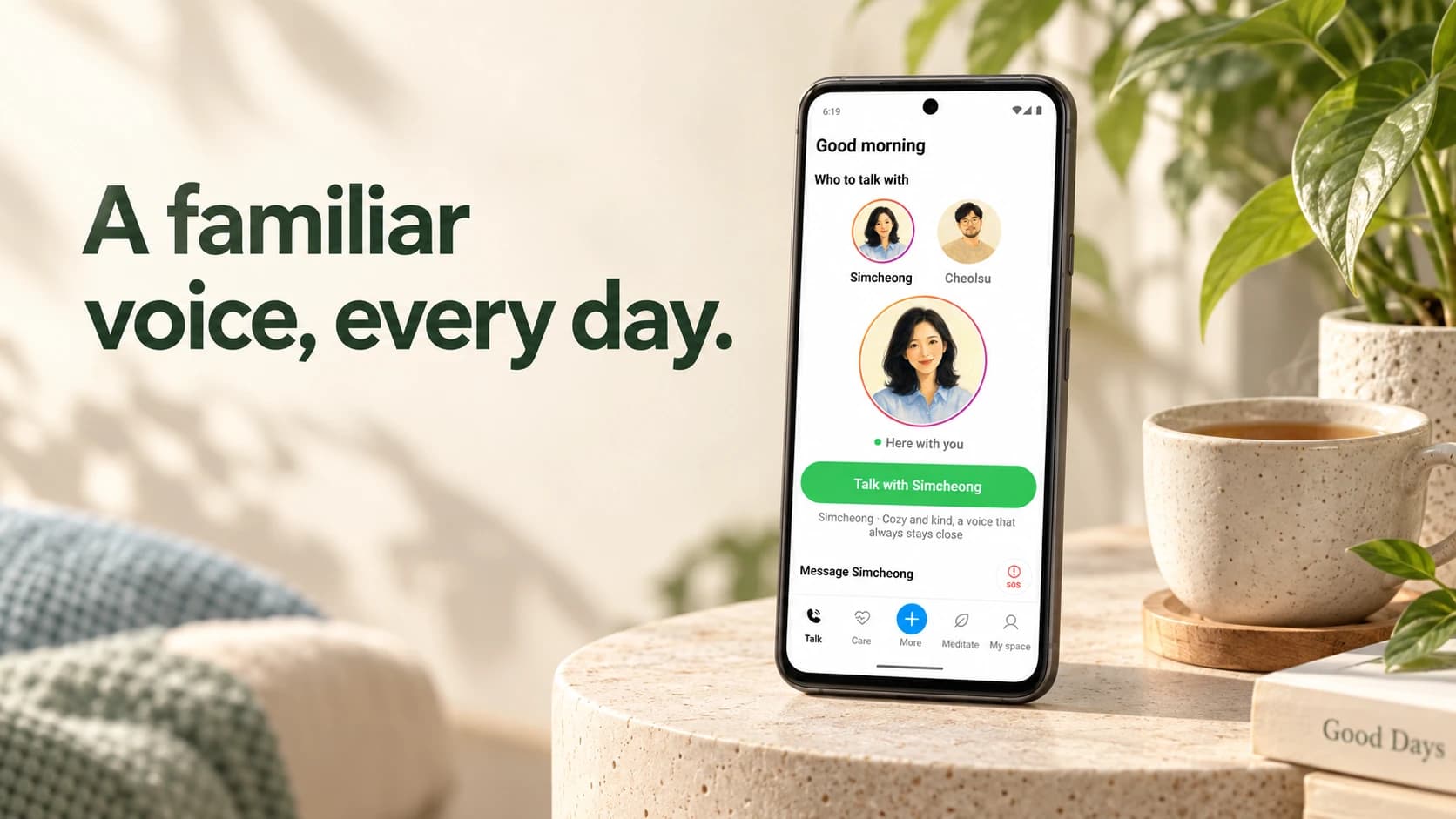
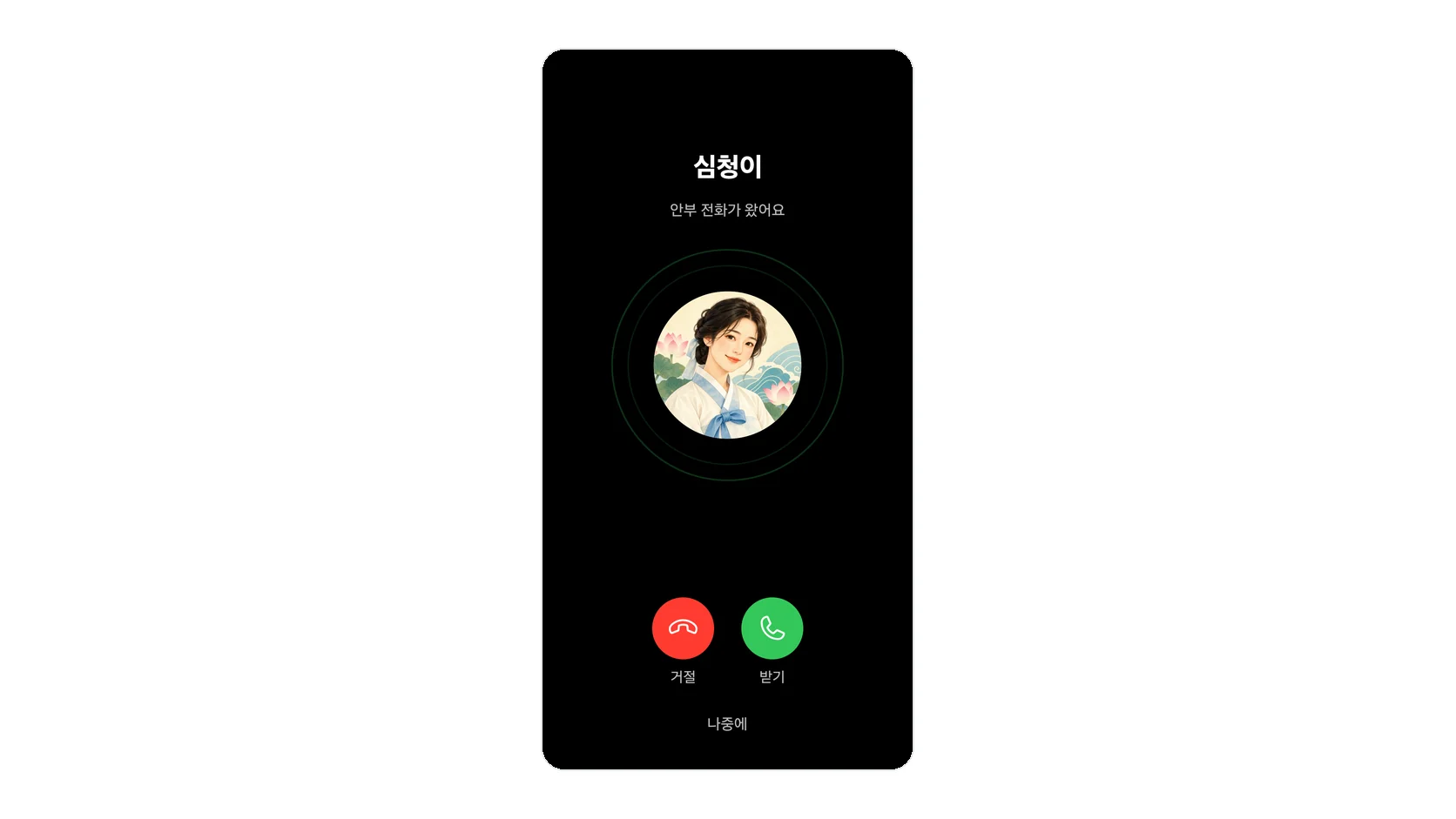
A phone showing the app's persona picker
Live

Web and mobile read from the same pipeline

A flag flipped for one is a flag flipped for the pipeline, not a per-surface fork.

The operator console dashboard listing unpublished changes and publish history
Live

Everything after the call finishes on one screen

Where redacted records, risk signals, and per-call timings are reviewed. Those timings are for operations; they are not published as benchmarks.

Hands holding a phone at the table
Built · key-gated

The architecture is ready and still closed

The telephony modules are built and key-gated. They are not handling production phone calls.

Other areas

  • A phone placed face-down on a table
    In progress

    UI complete, backend integration in progress

    The records, schedules, and notification screens are finished; the backend integration behind them is not.

  • A tap running a steady stream into a bowl
    Platform

    Degrade over crash, and one human gate

    Flags and sticky failover keep the call alive, and the only gate to production is a person.

Repository audit

The numbers were counted in the repository

The four figures below are every number this site states, and each was counted directly in the repository. There is no latency, uptime, adoption, or revenue figure anywhere.

See what is next
custom voice-pipeline processors
30+custom voice-pipeline processors
feature flags
100+feature flags
operator console components
450+operator console components
care and consumer backend domain modules
34care and consumer backend domain modules

Repository audit, August 2026