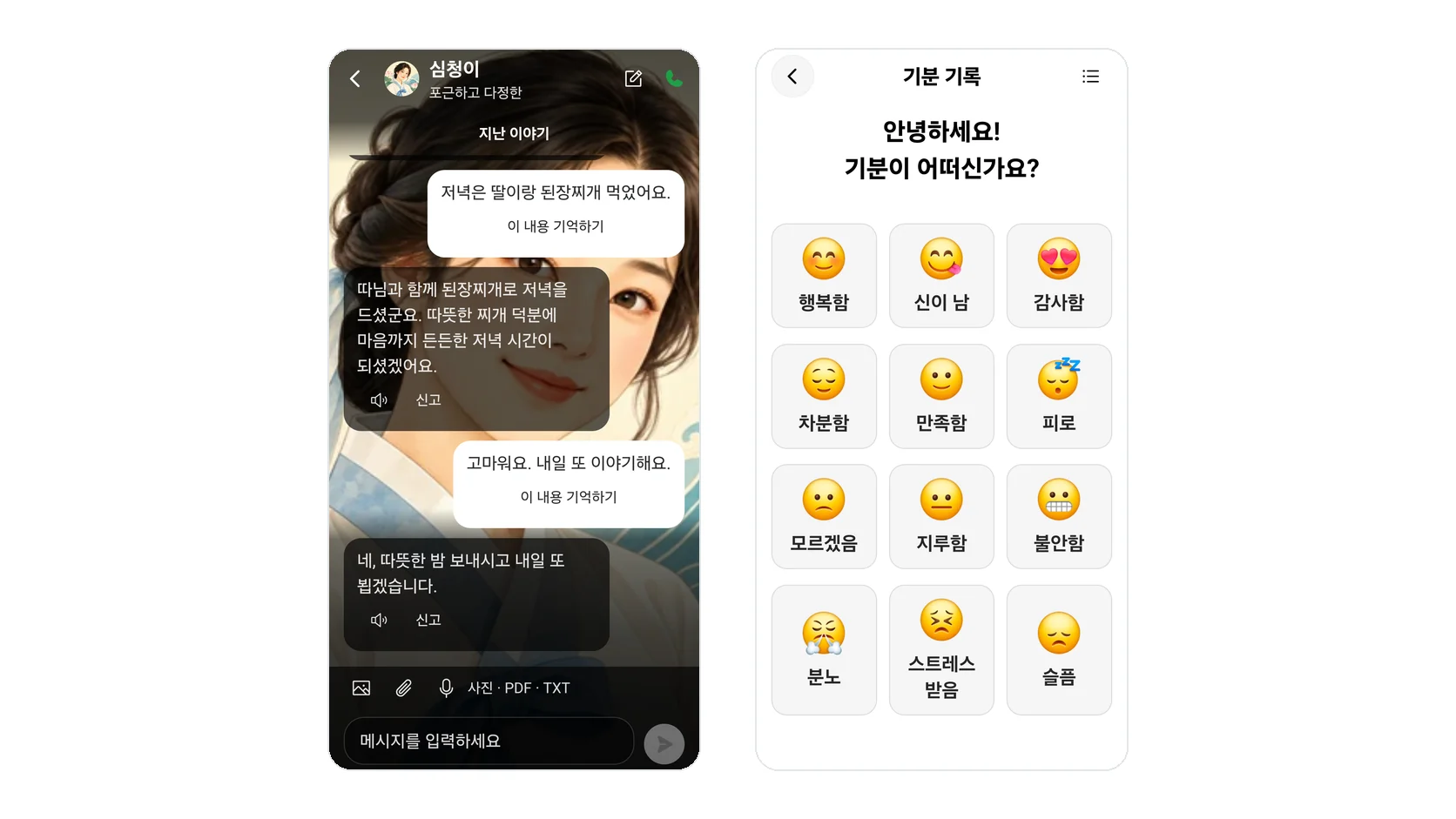
Korean-first realtime voice,
in the browser and on mobile.

WelVoice is IntuneLabs' Korean-first realtime voice product — a web app and a native mobile app, with a care-operations layer behind them. The voice pipeline is tuned for Korean conversation and built to degrade gracefully rather than drop a call.

See the apps

Why WelVoice

Start with no install, and keep it in the app.

The web app, the mobile app, and the care-operations layer behind them read from the same voice pipeline. A flag flipped for one is a flag flipped for the pipeline, not a per-surface fork — what changes in the pipeline changes everywhere it is consumed.

  • Browser voice

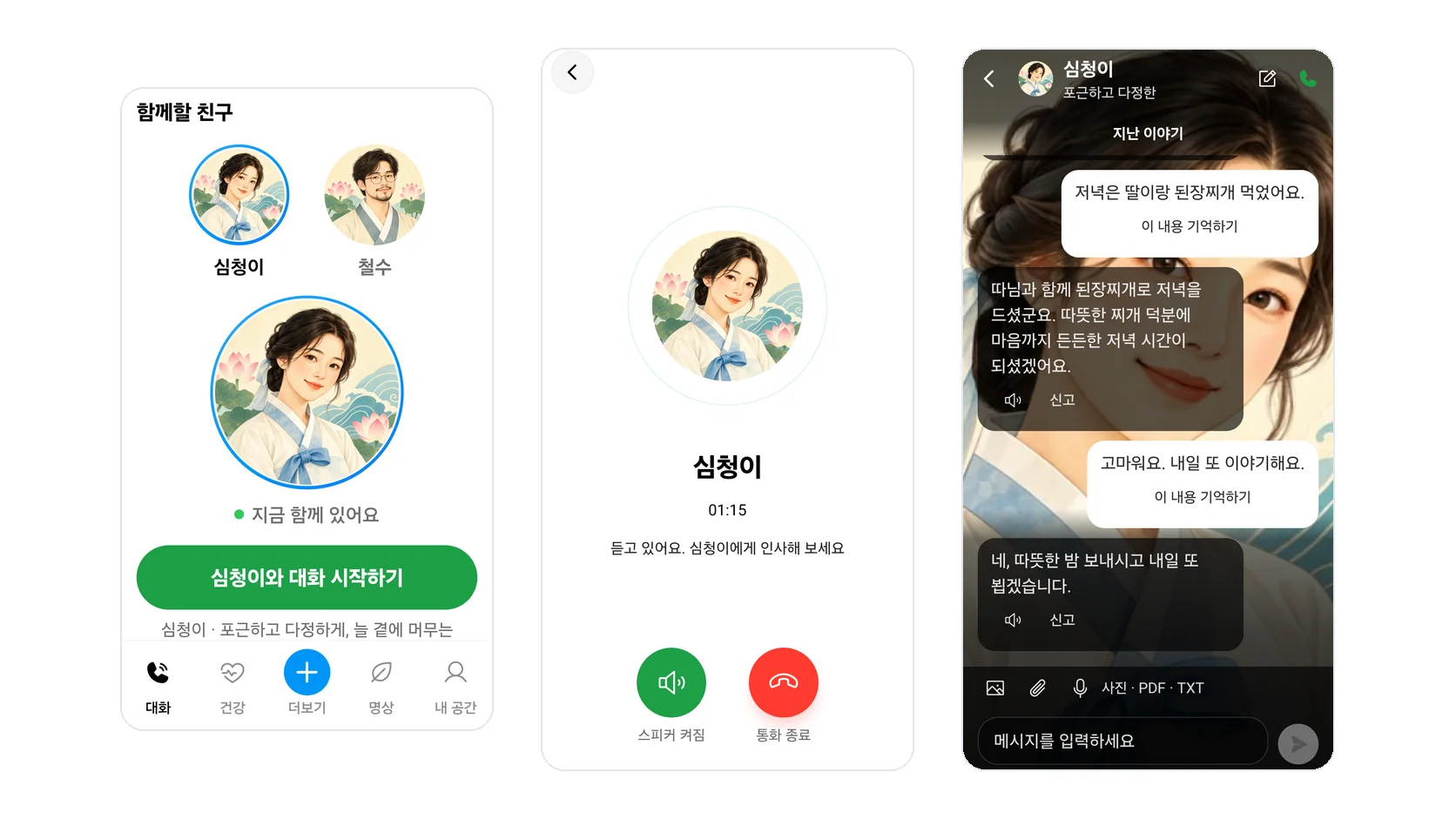
    WelVoice runs a full realtime voice session in the browser over WebRTC — no install, and the same pipeline, processors, and flags the mobile app runs against.

  • Mobile voice

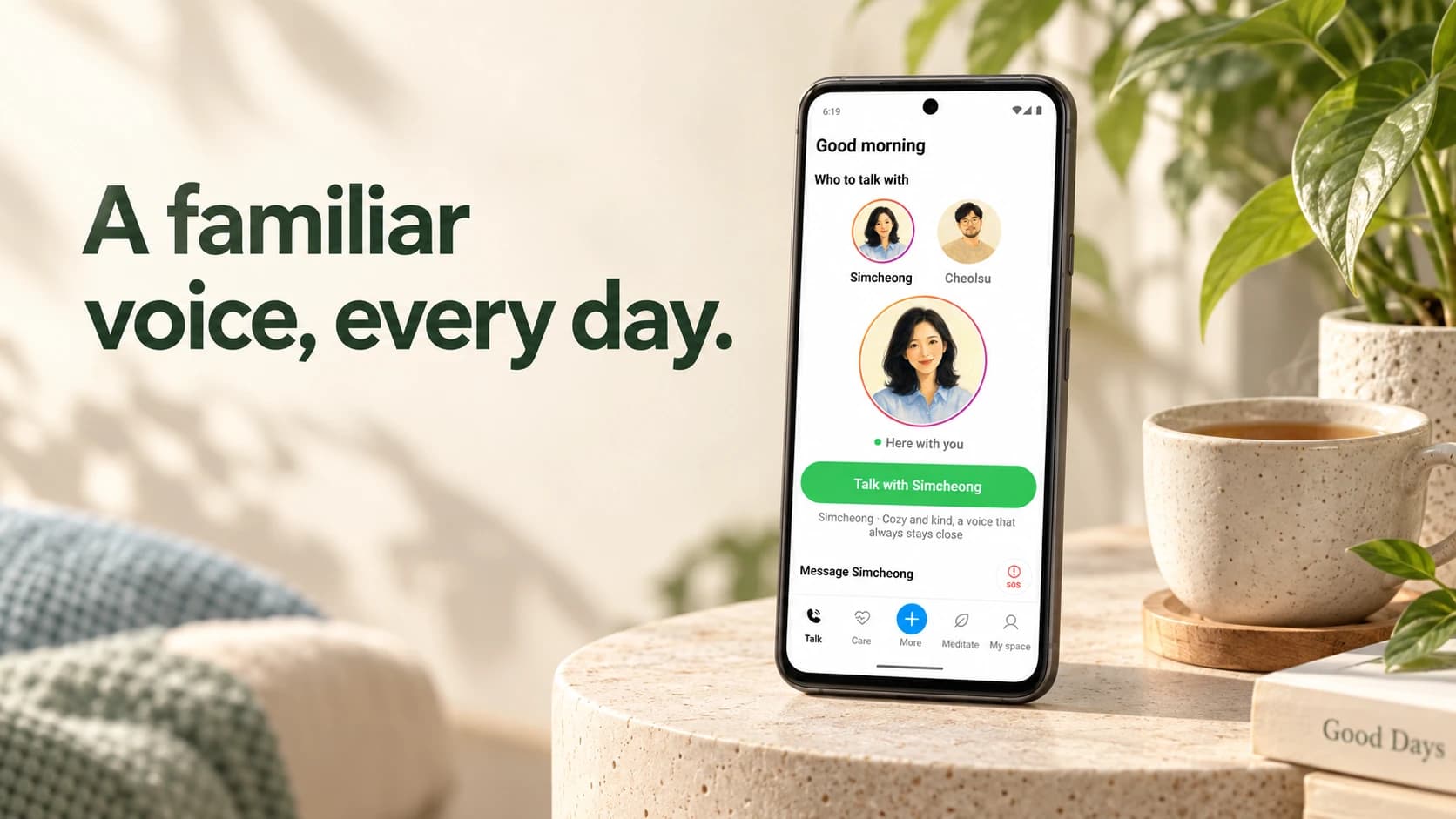
    The native mobile app runs the same realtime voice stack, so a change to turn-taking or failover lands on both surfaces instead of only one of them.

  • Call records

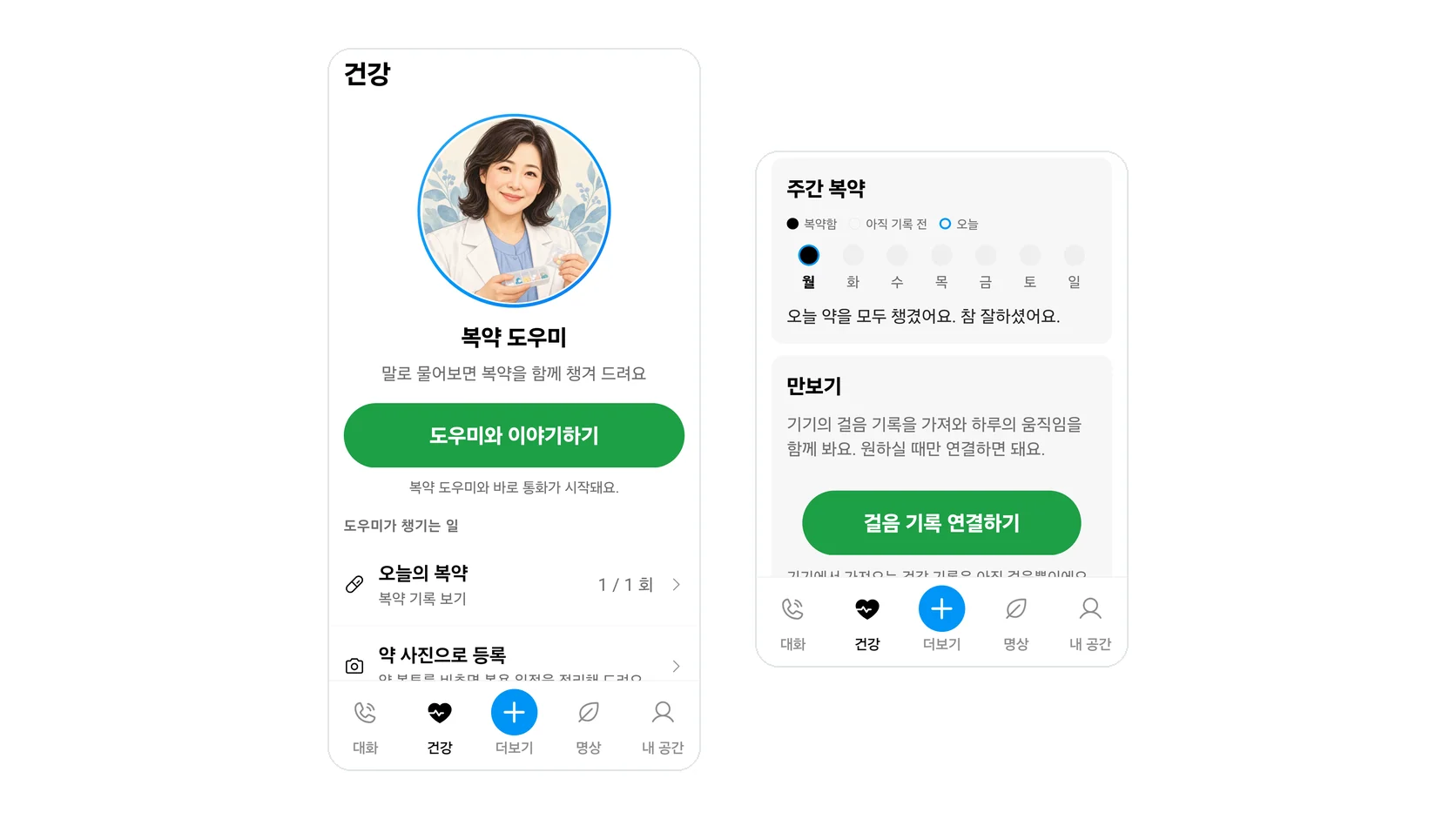
    The operations layer behind WelVoice is where redacted transcripts, risk signals, and per-call timings produced by the pipeline are reviewed.

  • Telephony (key-gated)

    The telephony transport is built but key-gated. It is not handling production phone calls today, and it is listed here as built, not as shipped.

Korean-firstWebRTCiOSAndroidWebLive transcriptsCall recordsTelephony-ready

Where the call happens

A call starts where someone already is, not somewhere special.

A person standing beside a kitchen counter

Standing in the kitchen, hands still busy.

Two people sitting together on a sofa, talking

On the sofa, the way any conversation goes.

A living room in late golden light

After the light goes, exactly the same way.

After the call

The record and its follow-up arrive already redacted, and production actions run only after a person confirms them.

One call

How a call goes

A voice-activity stop decides when a turn is over, and backchannel handling keeps the pipeline listening through 네 and 음 instead of treating them as an interruption. Greetings are pre-synthesized at startup, so the first audio is already waiting. See the voice engine

  1. Connect

    Start in the browser with no install, or from the mobile app. The opening line is already synthesized and waiting.

  2. Talk

    A short voice-activity stop ends the turn, and backchannel handling keeps the pipeline listening instead of cutting the speaker off.

  3. Process

    Redaction, guardrails, risk scoring, diarization, and Korean normalization run in one pass over each turn.

  4. Record

    What reaches the care-operations layer is already redacted, scored, and attributed.

Call record

The redacted transcripts, risk signals, and per-call timings produced by the pipeline collect here.

  • PII redactionIdentifiers were stripped inside the same pass that handled the turn.
  • Output guardrailsGuardrails ran on every turn, in the same pass as redaction.
  • Risk signalsEach turn was scored inline as part of that pass, so signals existed while the call was happening.
  • Per-call timingsTime-to-first-audio and time-to-first-byte were recorded for this call.

What you can do now

Read the redacted transcript

Identifiers are stripped during the call rather than cleaned up afterwards over stored transcripts.

See safety
Check the per-call timings

The number operations reads is what that call actually did — not a benchmark figure, and not an average.

See the platform
Leave a follow-up note
Schedule the next call

What to do next

Share the record with a care team
IntuneLabs does not train its own speech or language models. It orchestrates best-of-breed vendor models and builds the layer around them — Korean tuning, turn-taking, failover, guardrails, and the per-call instrumentation that says what a call actually did.
IntuneLabsour own position, stated plainly

Getting started

We don't publish list prices — we scope it with you

A voice deployment

What's included:

  • Korean-first tuning, English-capable
  • WebRTC (browser) or mobile transport
  • Shared operator-console access
  • Per-call latency observability
  • A degrade-over-crash pipeline

Quoted per deployment

Every engagement is scoped and priced per deployment rather than by a fixed plan or credits. We don't publish list prices — contact sales and we will work it out with you.

Scoping a first use case

Tell us the workflow you have in mind and we come back with a scoped pilot, the transports it needs, and what we would measure. A pilot proves one use case before anything is committed to production.

Scoping costs nothing

You decide on an engagement after you have seen the plan. We usually reply within a business day.

Let's scope your first use case

Tell us the workflow you have in mind and we will map a direct path to a working proof-of-concept on the live Korean-first stack.

Start the conversation

Browser voice and mobile voice are the transports running in production today. Telephony is built but key-gated, and is not carrying production phone calls. IntuneLabs orchestrates vendor models rather than training its own speech or language models, and holds no security or privacy certification. Per-call timings are instrumented for operations, not published as benchmarks.