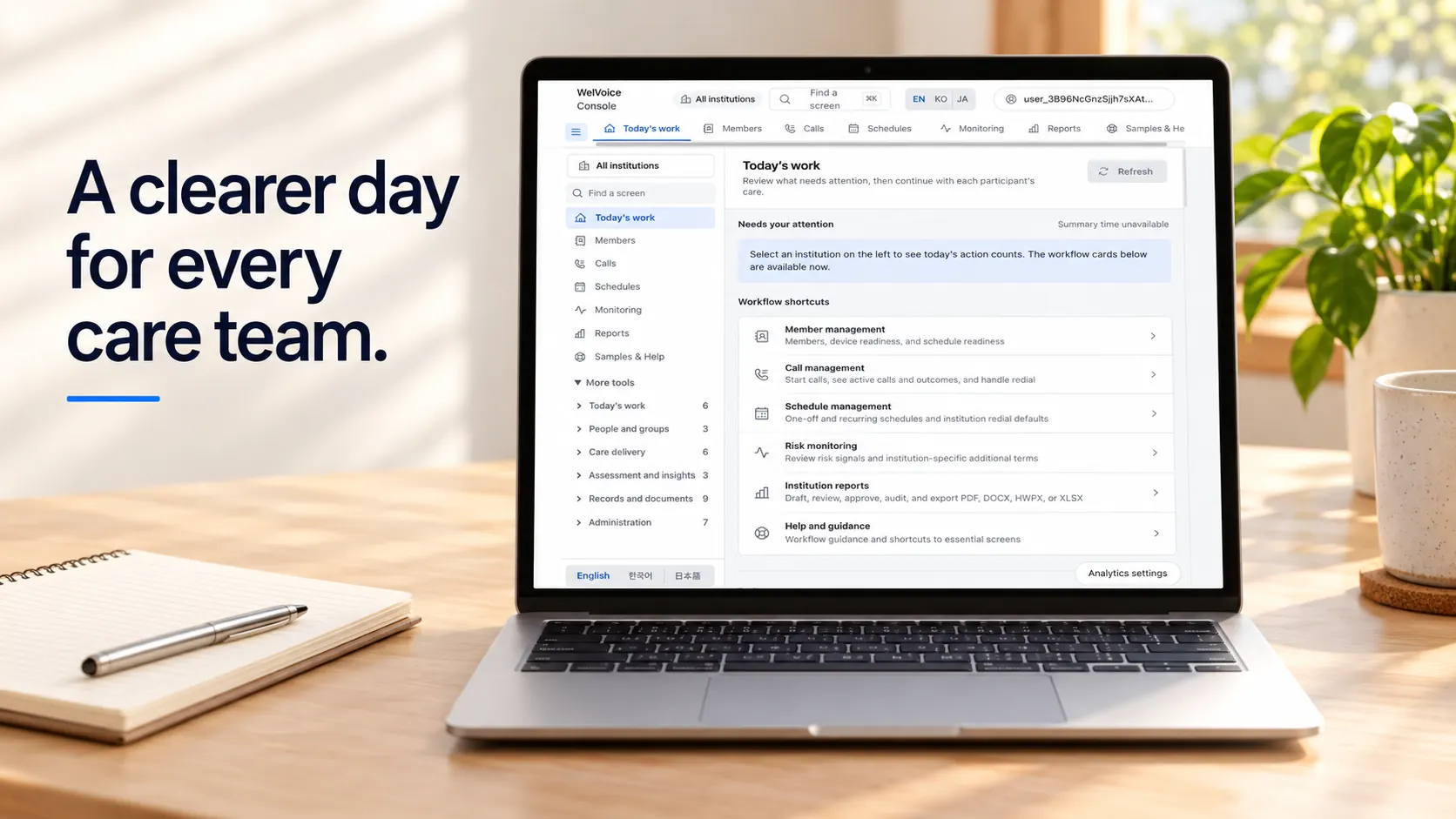
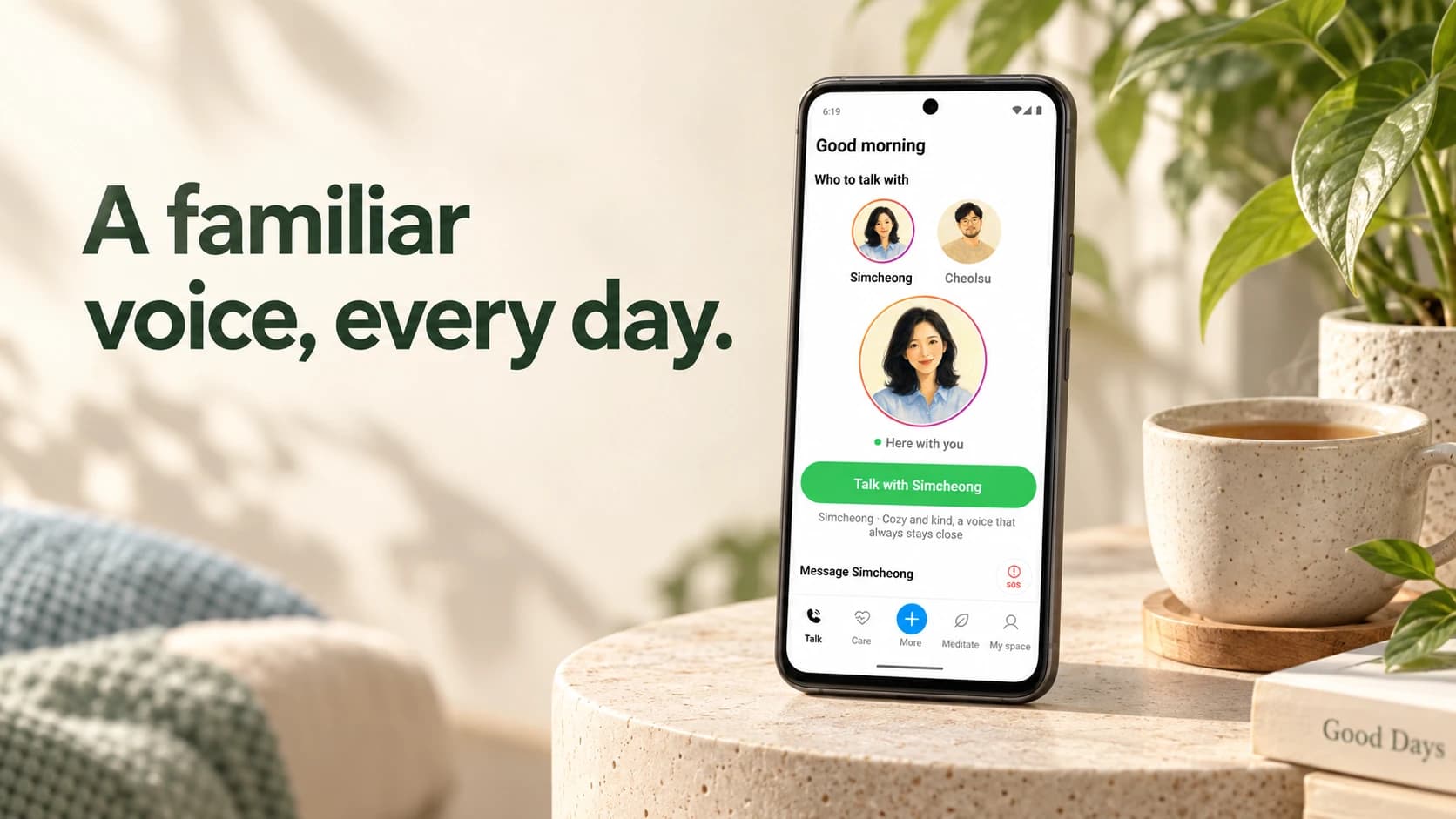
Voice is the interface that meets people where they are
Most care software assumes a user comfortable with a screen. Set that assumption next to an eighty-year-old and it has excluded the person before it has helped them. The case for voice-first as an act of inclusion.
Ask why a piece of software should talk instead of showing buttons, and the honest answer for most apps is that it is a novelty. For the people we build for, it is the whole point. A great deal of care technology assumes a user who is comfortable with a screen — who will download an app, learn its menus, tap through its flows, and keep its notifications tamed. Set that assumption next to an eighty-year-old who has never wanted a smartphone, and the technology has excluded the person before it has helped them. Voice does not make that demand. A conversation asks nothing new of someone who has been having conversations their whole life.
The interface disappears
The best interface is one nobody has to learn, and speech is the closest thing we have to it. There is no home screen, no settings, no forgotten password, no update to install. You say something and you are heard; the software meets you exactly where you already are. For an older adult, that erases the single largest barrier between a person and the help a system is trying to offer — the barrier of the device itself. The impact is not that voice is a nicer way to use the product. It is that voice is the only way some people will use it at all.
A conversation is not a notification
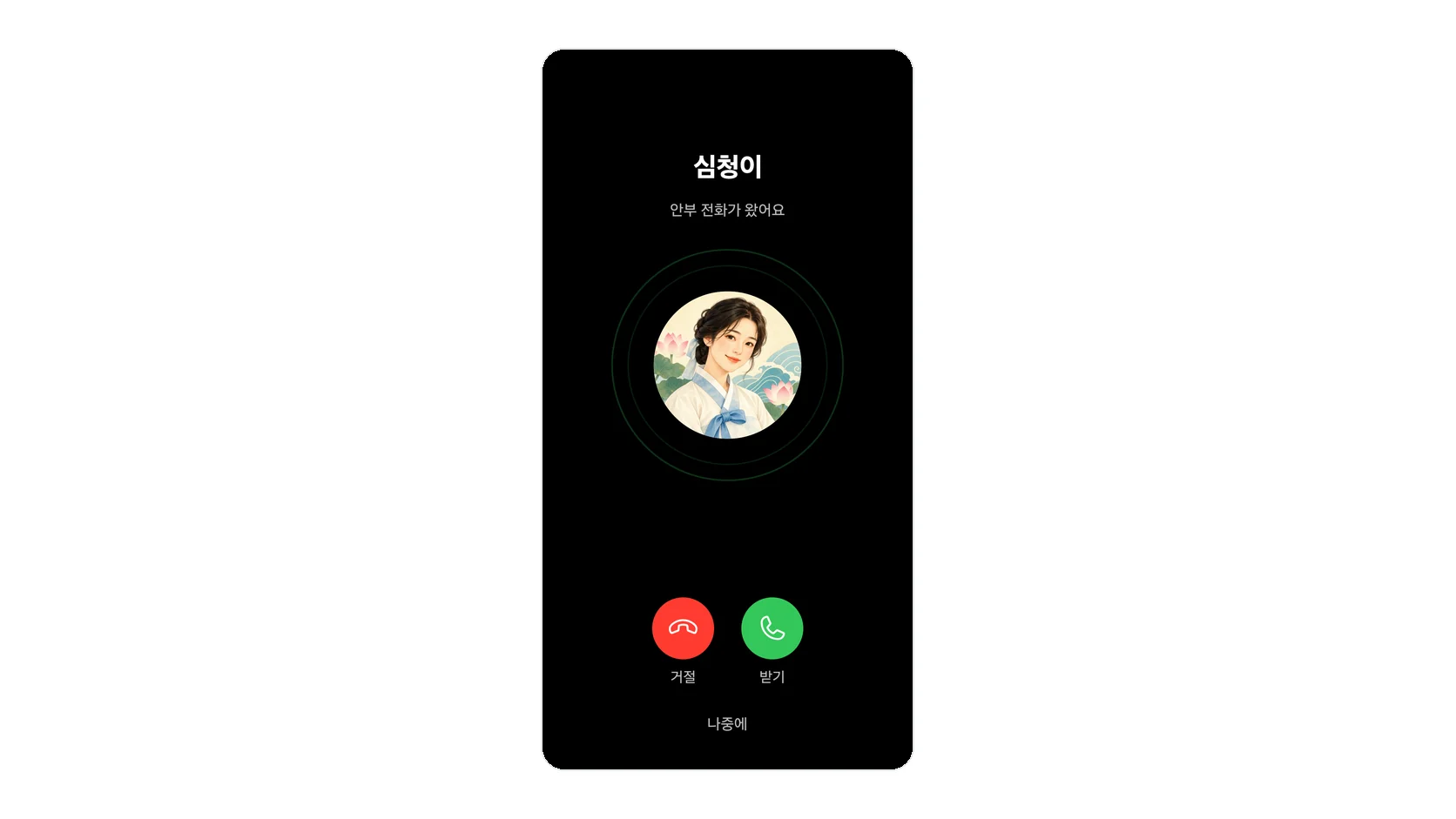
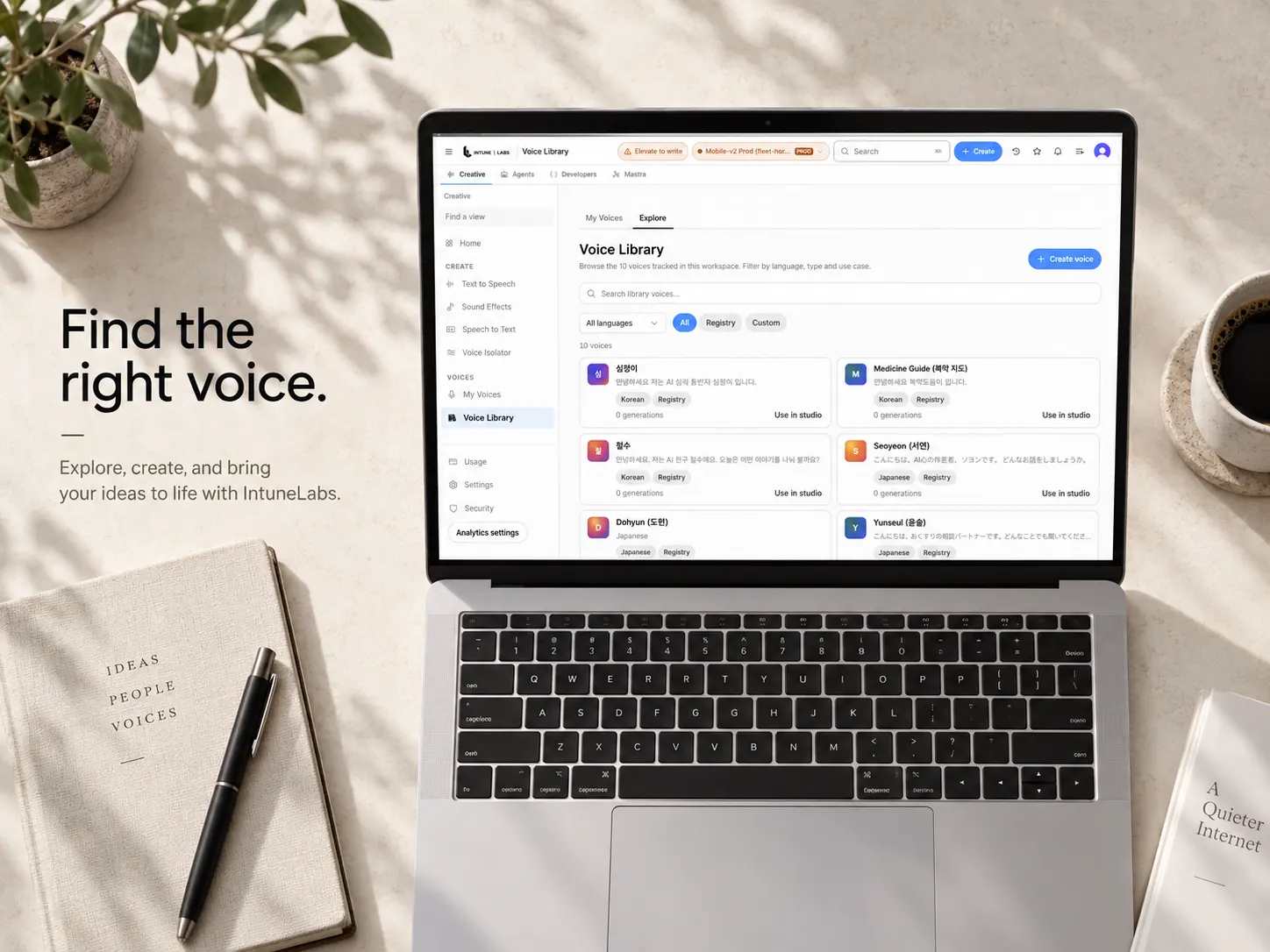
There is a second thing a voice call does that a screen cannot, and it has nothing to do with convenience. Isolation is not merely a comfort problem; for older adults it is bound up with health, and the thing that answers it is not information but contact. A push notification reminds. A conversation responds. When a check-in call listens patiently, waits out a pause, and answers in a warm and familiar voice, it does something no dashboard does: it makes the person on the other end feel attended to rather than managed. That is why the unglamorous engineering — the patience that lets someone finish a slow sentence, the warmth tuned into a Korean voice — is not polish. It is the product doing its actual job.
Building for the person, not the power user
Choosing voice-first is choosing a harder engineering problem on purpose, because it is the one that includes the people most likely to be left out. It forces patience where a screen would allow impatience, forces the system to carry the whole interaction rather than offload steps onto a confident user, and forces a standard of reliability that a swipe-and-retap interface never has to meet. We take that trade willingly. An interface that works for the person with the least tolerance for friction works for everyone else too — and it reaches the ones a screen quietly leaves behind.
This note describes the implementation as it stood when it was written. Figures are counted from the repository; they are not published benchmarks or a performance guarantee. What changed afterwards is in the changelog.