Why we built voice AI for Korean elder care first
Generic voice AI is English-first and demo-first. We picked one of the hardest, most underserved domains we know — and let it shape every layer of the platform.
Ask a general-purpose voice agent to hold a caring conversation with a Korean grandmother and the problem shows up in the first sentence: the wrong honorifics, clipped turns, no patience for the way elders actually speak. Most voice AI is optimized for English demos, where the goal is to impress in thirty seconds. Almost none of it is optimized for the unhurried, high-stakes reality of elder care in Korean. We chose to start exactly there.
Hard constraints make better platforms
That choice was not sentimental; it was architectural. Hard domains force better systems, because they refuse to let you skip the parts that matter. Elder speech forced patient turn-taking and the patience to let someone finish spelling a number out loud. Care conversations forced personal-information redaction, risk scoring, and output guardrails into the pipeline itself rather than leaving them as afterthoughts. Family trust forced reliability semantics where a call degrades instead of simply dropping. Each of these is now a permanent part of the platform, and each one exists because the domain would not accept anything less.
A softer starting point would have let us defer all of that. A brisk, transactional assistant can get away with impatience, shallow guardrails, and a call that occasionally drops, because none of its users are relying on it the way a family relies on a check-in. Building for the hardest conversation first meant the easier ones came almost for free.
More than a voice API
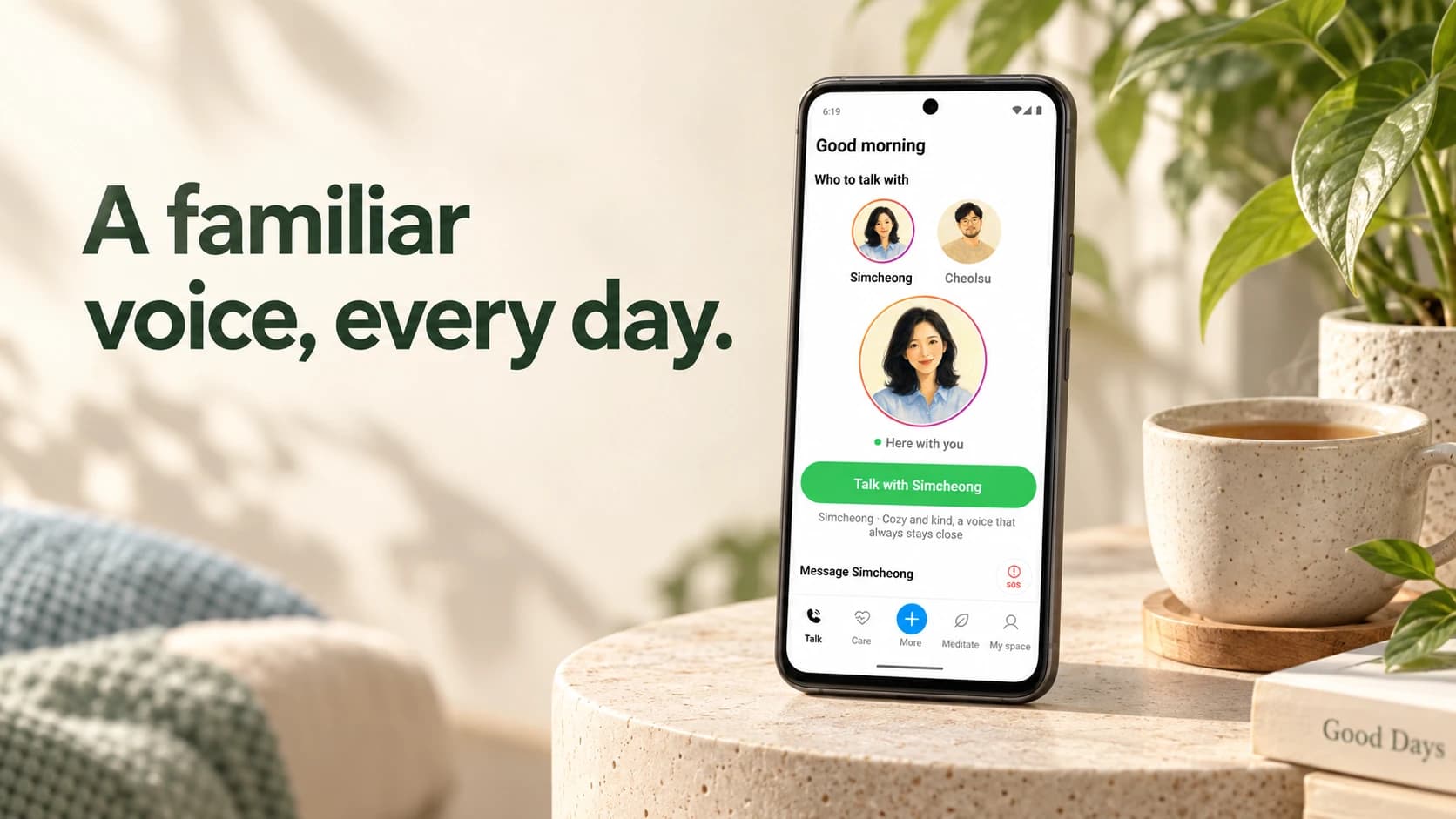
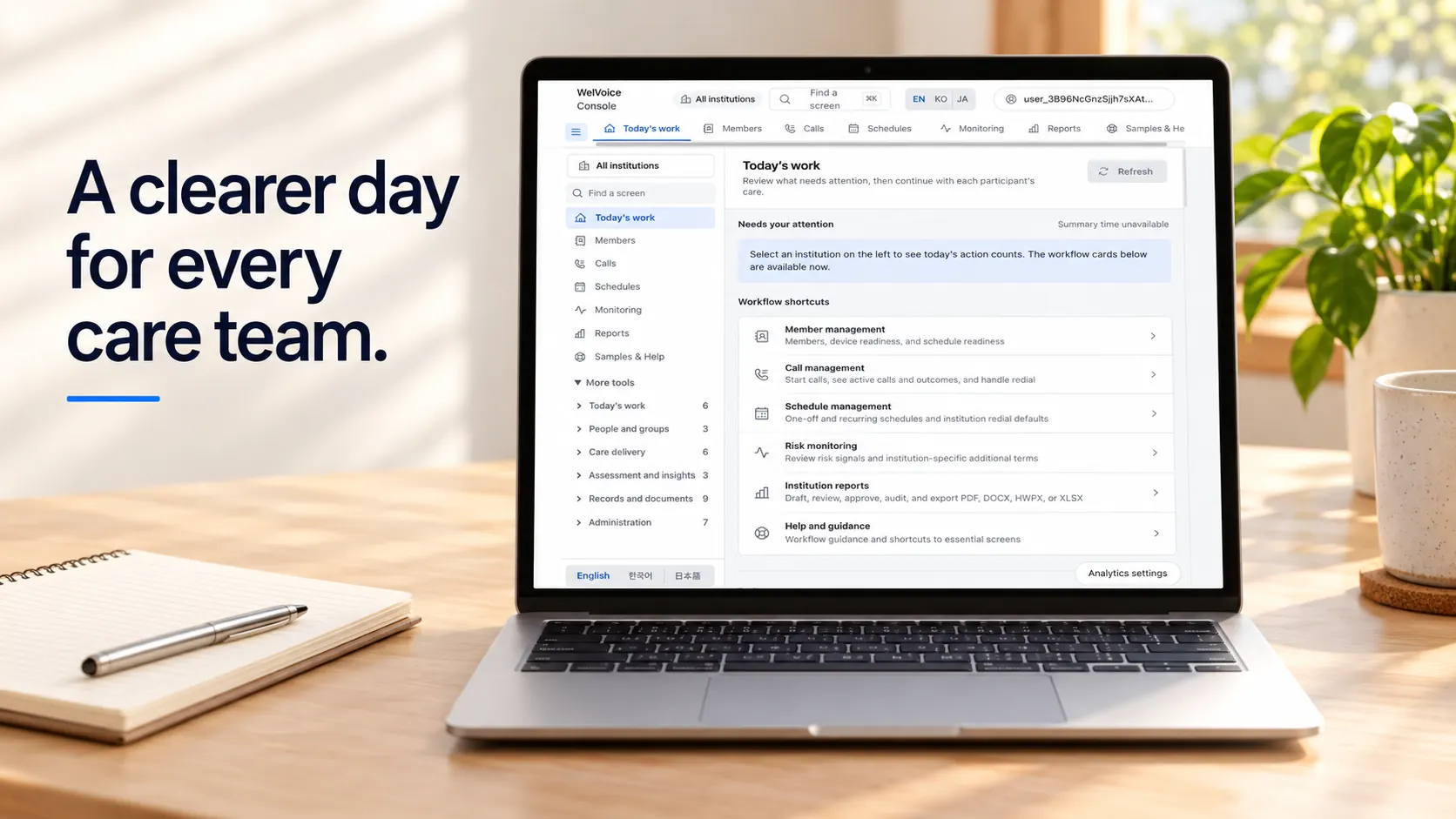
The domain also made something clear early: care is not a voice feature, it is an operation. Behind every reassuring phone call sits real logistics — visits to schedule, medication administration to record, long-term-care billing to reconcile, payroll to run, caregivers to roster. A voice API that ignores all of that solves the smallest part of the problem. So the platform is deliberately broader than a phone line. It spans a consumer app for families, a B2B care backend built to handle the operational reality across many care settings, and caregiver and manager applications now in development on top of it.
This is where being an AI-native company with one tech base pays off. Standing up an operations backend, a family app, and a caregiver tool would be three separate efforts for most teams. For us they are surfaces on the same foundation, sharing conventions and guardrails, which is the only reason a small team can take on a problem this wide.
It also changes how the pieces improve. A safeguard we add for care conversations — a better way to redact a caregiver's note, say, or a steadier failover on a call — is not stranded in one app. Because the surfaces share a foundation, a fix earned in the hardest place propagates to the easier ones, and the platform gets sturdier everywhere at once rather than one product at a time.
A voice a family recognizes
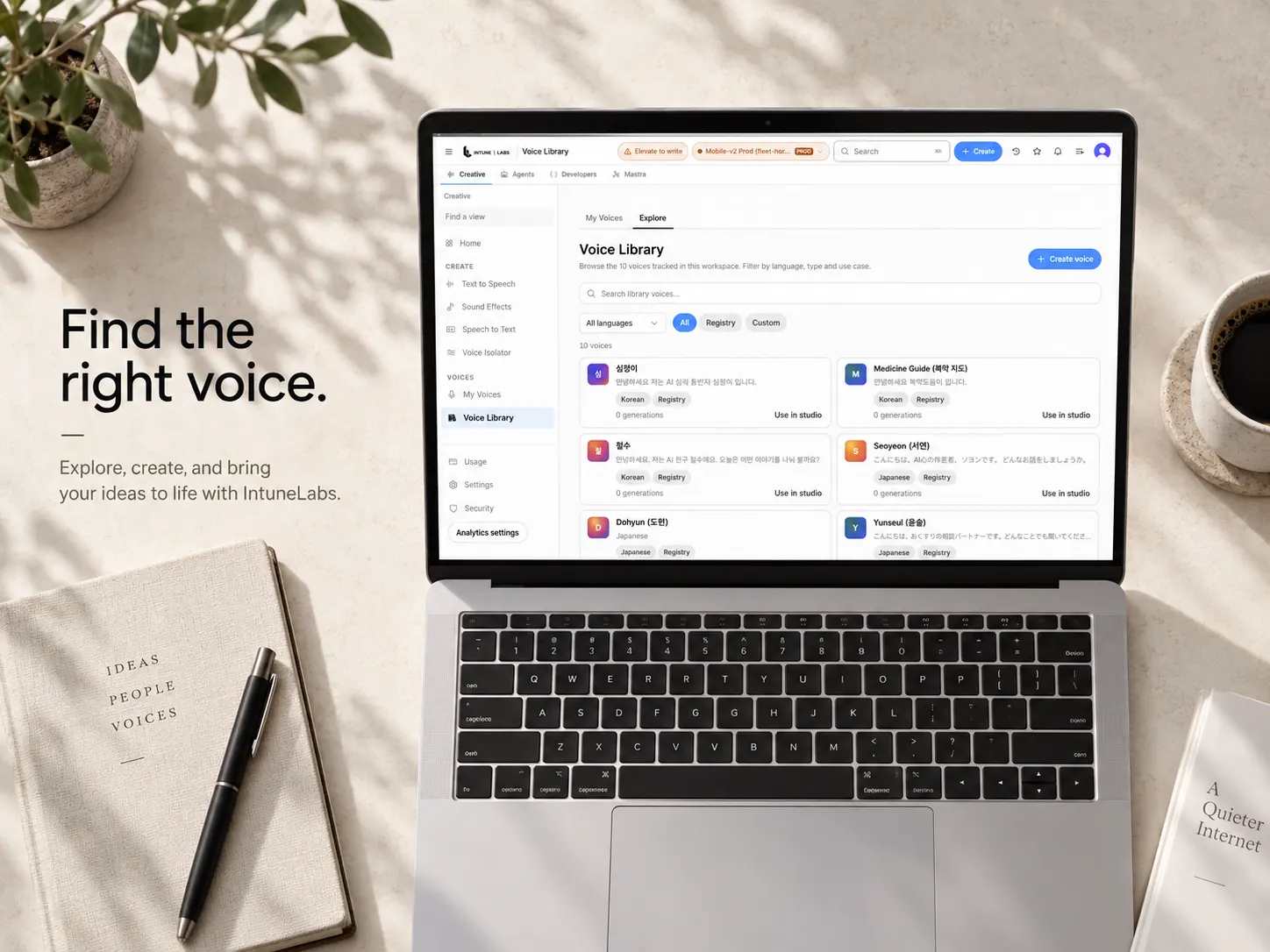
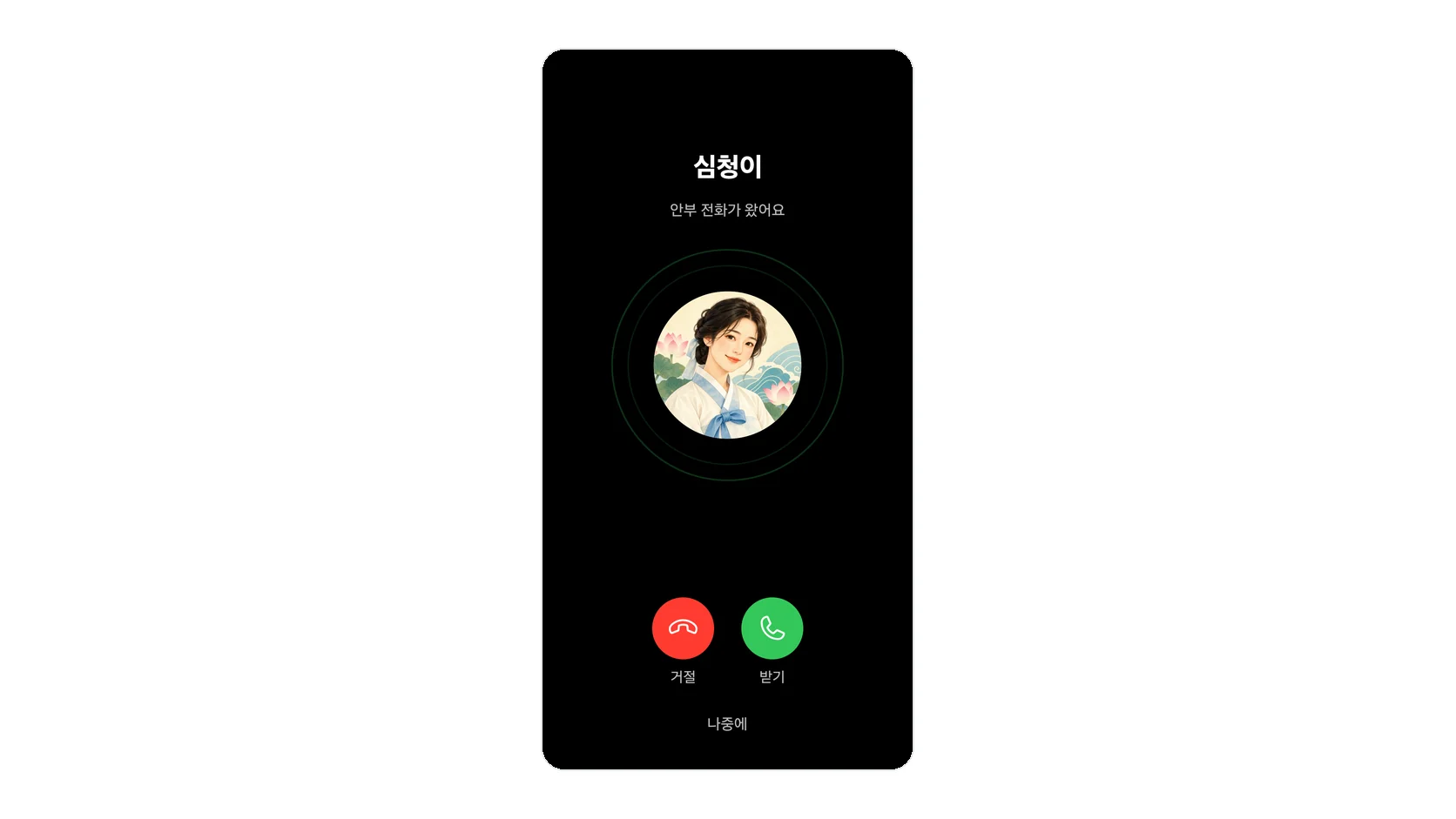
There is a part of this that no architecture diagram captures. What a voice sounds like matters as much as what it says. A delivery that feels warm and familiar in Korean does something a technically-correct but neutral English-derived voice cannot: it makes the person on the other end feel cared for rather than processed. We treat that warmth as a product-defining property, not a cosmetic finish — it is tuned for the language and the moment, because for a worried family it is often the whole experience.
This is why the voice itself is a custom, Korean-tuned asset rather than a stock option pulled off a shelf. Warmth in a familiar language is not a setting you toggle; it is shaped deliberately, for this language and these moments, and we treat it as a defining property of the product rather than a finishing touch. It is one more thing the hard domain forced us to take seriously that a demo never would.
Not a niche
It is tempting to file elder care under 'niche', but the demographics say otherwise. An aging population is one of the defining realities of this century, and Korea sits near the leading edge of it. Building here first is not a detour on the way to a bigger market; it is a bet that the hardest version of the problem is also one of the largest.
There is a compounding logic to starting at the deep end. A platform shaped by patience, privacy, and unbroken reliability does not have to be softened to serve gentler use cases — those come almost for free once the demanding one is solved. By building every layer around the conversations that are easiest to get wrong and most important to get right, we end up with something already fit for the moments that matter most, and a foundation that generalizes outward from there rather than one we would have to rebuild to move on.
This note describes the implementation as it stood when it was written. Figures are counted from the repository; they are not published benchmarks or a performance guarantee. What changed afterwards is in the changelog.